When a furnace quits in a January cold snap or an air conditioner sputters out during a July heatwave, the difference between a minor inconvenience and a health risk can be a matter of hours. In Nixa, Missouri, weather swings hard. Winters bring freezing nights, sleet, and the kind of damp cold that settles into bones. Summers lean hot and humid, with back-to-back days in the 90s and heat index readings that push past comfort. Emergency HVAC support is less a luxury than a safety net. Understanding how these services work, what a technician will actually do, and how to prepare your home can save time, money, and unnecessary stress.
This is a practical walkthrough of emergency Heating & Cooling support based on real-world field experience. It covers how to triage problems, how to work with an HVAC Contractor in Nixa, MO, what it typically costs, and what to expect from arrival to resolution. It also touches on the edge cases that trip up service calls, like intermittent failures and parts that are only available from the distributor in Springfield after 8 a.m.
When it counts as an emergency
Not every breakdown is an emergency, and knowing the difference helps you prioritize. If your furnace dies at 2 a.m. and the house is already drifting toward 55 degrees, it qualifies. If your air conditioner stops at noon during a 98-degree day with small children or elders at home, it matters. If a blower runs but no air moves, or if you smell electrical burning, shut the system off and call for help. Carbon monoxide alerts from a monitored or plug-in detector demand immediate action: shut the furnace down, ventilate, and leave the home until a pro clears it.
Plenty of situations feel urgent but let you wait a few hours for standard rates. A failed A/C on a mild evening, or a noisy furnace that still heats, often fits this category. An experienced HVAC Company in Nixa, MO will ask pointed questions on the phone to help you triage without upselling urgency.
The first five minutes on the phone
Dispatchers who know the area will ask for the make and model, describe where the system sits, and confirm the age if you know it. If they’re good, they’ll run you through quick checks while they build the ticket. Simple resets solve more midnight calls than most people imagine.
Here is a short, efficient checklist that homeowners can try if it’s safe and accessible:
- Verify the thermostat has power, correct mode, and a reasonable setpoint. Replace batteries if applicable. Check the breaker or furnace switch. A tripped breaker that resets and holds can be a fluke, but a breaker that trips twice points to a fault and requires a technician. For gas heat, confirm the gas valve feeding the furnace is open and other gas appliances work. Look at the furnace filter. A filter that looks like felt instead of pleated media can cause short cycling and limit trips. Outside at the A/C, clear debris from the top and sides. If a heat pump is encased in winter ice, shut it down and call.
A dispatcher will book the call as “no heat,” “no cool,” “water leak,” or “strange noise/smell,” then give a window. True emergencies shorten that window, but the technician still needs travel time and sometimes a supply run. In Nixa and surrounding towns, most established shops keep on-call coverage and can reach you within 1 to 3 hours, depending on weather and volume.
What a proper emergency visit looks like
Expect a quick but systematic process. A seasoned tech starts with symptoms, verifies them, then isolates the fault. Efficiency comes from knowing common failures by brand and age. Ten-year-old 80 percent furnaces with intermittent ignition often need flame sensors cleaned or hot surface igniters replaced. Newer variable-speed systems surface control board error codes that guide testing. Heat pumps on a glaze of ice might point to a failed defrost sensor. A flooded overflow pan in July tells a story about a clogged condensate line.
The best Heating and Air Conditioning in https://squareblogs.net/boisetycas/how-heat-pumps-work-for-nixa-mo-homes Nixa, MO teams show their work. That means they will walk you through the diagnostic reading: the static pressure that’s too high because of a dirty filter and undersized return, or the capacitor that’s 18 microfarads on a 35 microfarad rated part, or the pressure switch hose full of moisture. You should be offered options before parts are installed, especially if there’s a price jump between a band-aid and a long-term fix.
Common emergency failures by season
Winter skews toward ignition and airflow. Dirty flame sensors, cracked igniters, pressure switch faults from blocked intake or exhaust, and blower motor failures create no-heat calls. High static pressure from clogged filters or collapsed return ducts triggers limit switches, which shut down burners to protect the heat exchanger. Freeze-ups of condensing furnaces happen when the condensate trap or line clogs and backs into the cabinet, tripping safety switches.
Summer emergencies cluster around cooling and water management. Weak capacitors and failed fan motors make the outdoor unit hum but not spin. Low refrigerant from slow leaks triggers short cycling and eventual icing over of the evaporator coil. Condensate backups send water to ceilings beneath attic air handlers or to living room floors when secondary drain pans overflow. Heat pumps that won’t switch out of defrost point to control issues.
Parts availability and the late-night reality
After-hours work is by nature limited. Service vans stock a predictable set of parts: igniters, flame sensors, universal capacitors and contactors, some common control boards, fuses, relays, condensate switches, and a handful of blower motors that fit the most common tonnages. They will not carry every proprietary part for every brand. If your two-year-old variable-speed furnace needs a specific ECM module, the tech may stabilize the system, make the home safe and tolerable, and schedule a return after the local distributor opens. In practical terms, that can mean a temporary heat solution like running emergency heat on a heat pump, or shutting down a failed A/C overnight and coming back with the exact board at 8:30 a.m.
You should be told clearly whether the repair is immediate or staged. The invoice should note the temporary measures and the plan. Strong companies in Nixa keep relationships with Springfield and Ozark suppliers, which reduces downtime, but midnight is still midnight.
What it costs and why
Emergency rates run higher than standard calls. You’re paying for on-call staffing, overtime, and the friction of late-night logistics. In Christian County, expect an emergency service fee that might add 100 to 200 dollars over regular diagnostic charges, with total costs varying widely by part. A furnace flame sensor cleaning and tune can land in the low hundreds. A universal capacitor swap can be about the same. A variable-speed blower motor replacement can stretch into four figures depending on brand and labor. Transparent pricing matters. Ask for the diagnostic fee, the repair quote before work, and any potential add-ons like refrigerant per pound or drain line cleaning.
Refrigerant pricing deserves a note. Systems built after 2010 often use R-410A. Older units could still be on R-22, which is phased out and expensive. If the tech finds a leak and your system uses R-22, topping off might be a stopgap while you consider replacement. A good HVAC Contractor in Nixa, MO will talk through that decision in terms of age, efficiency, and risk of repeat leaks.
Safety protocols you should see
Professional crews protect the home and the occupants. Expect shoe covers, drop cloths in finished spaces, and careful ladder use in tight mechanical closets. Gas work includes leak checks at the furnace and visual inspection of venting for corrosion or separation. Combustion analysis with a digital analyzer, especially on high-efficiency furnaces, is a sign of a thorough visit. Electrical work means killing power at the disconnect, verifying with a meter, and re-checking grounding and connections before re-energizing.
If carbon monoxide was part of the call, a serious tech will test ambient levels and, when appropriate, advise on a dedicated CO monitor near sleeping areas. They may recommend addressing venting issues or heat exchanger concerns. No one should casually dismiss a CO alarm. If a heat exchanger is cracked, the ethical response is to shut the system down and present repair or replacement options rather than pushing it for a few more nights.
What “good” communication feels like
You should feel informed but not overwhelmed. The technician sets expectations early: “I’ll diagnose first, then come back with options.” If a blower motor is seized and only a compatible motor is on the truck, you’ll hear how that impacts noise level or efficiency. If a part is delayed until morning, they’ll help you protect pipes from freezing or keep sleeping areas cool with fans. They will tell you if your warranty can cover parts and whether they can file the claim or if you need to provide proof of purchase and serial numbers.
Nixa has a mix of newer subdivisions and older homes with retrofit ductwork. When static pressures are high or returns are undersized, good communicators explain that short-term fixes keep you going but don’t solve the underlying restriction. They’ll note it and, if you’re open to it, schedule a separate evaluation for duct modifications or a right-sized return.
Special considerations for heat pumps in the Ozarks
Heat pumps are common in this region because they handle much of the heating load efficiently, especially with milder shoulder seasons. When the mercury drops into the teens, Cole HVAC Air Conditioning Repair Nixa, MO auxiliary or emergency heat carries more of the load. This is where thermostat programming and equipment staging matter. In an emergency, if the outdoor unit has failed or is in a prolonged defrost with ice buildup, a technician can set your system to run electric strips or gas backup if you have a dual-fuel setup. Expect higher electric usage in this mode. The idea is to maintain safe indoor temperatures until the main system is restored.
Defrost issues are frequent midwinter. A failed sensor or control board stops the unit from shedding ice, which chokes airflow and performance. The temporary fix might involve manually clearing ice and bypassing a control to test the circuit. The lasting fix requires the correct part. Some heat pumps also suffer from clogged outdoor coils due to cottonwood season. While that’s a spring problem, it can reduce performance enough to look like a refrigerant issue. A careful tech washes coils and re-tests pressures before declaring a leak.
Water leaks and ceiling stains
Few calls feel as urgent as water dripping through a ceiling from an attic air handler. In Nixa’s newer two-story homes, the air handler often sits above a hallway. When the primary condensate drain clogs, the overflow pan catches the water, until it doesn’t. A float switch, if installed and wired, should shut the system down. If it wasn’t installed or failed, you get stains and sagging drywall.
Emergency service here focuses on stopping the water and clearing the drain. Clearing involves a vacuum at the outside termination, sometimes a drain gun with CO2 cartridges, and flushing the trap with water and a mild cleaning agent. Some techs add a biocide tablet in the pan to slow algae growth. You should be offered the option to add or replace a float switch and to inspect the secondary drain pan. It’s also reasonable to ask about a dedicated cleanout port for future maintenance.
How to prepare the home before the tech arrives
A few small steps speed up the visit and improve safety. Clear a path to the indoor unit, especially in garage closets or tight utility rooms. Pets can be anxious with strangers during off-hours, so secure them for everyone’s comfort. If your system’s documentation is handy, lay it out. Write down error codes from the thermostat or the furnace control window if you saw them. Note any pattern, such as the A/C failing only in late afternoon or the furnace quitting after 10 minutes of heat. Patterns guide diagnostics.
During storms, check accessibility. Outdoor units behind locked gates or on slippery slopes slow things down. If the unit is on a roof or above a porch, mention that on the phone so ladder-ready technicians show up.
Choosing the right team for emergency service
Reputation counts, but so does actual coverage. Ask whether the company truly offers 24/7 emergency response or simply answers the phone after-hours and schedules for morning. Ask about average response times in severe weather. Proximity helps, but so does the number of on-call techs when every home on the block loses heat at once.
Look for clear, written pricing and a technician who explains repair grades: immediate safety fixes, necessary component replacements, and longer-term improvements for efficiency and reliability. A trustworthy HVAC Company Nixa, MO will not push a replacement as the first option unless the system is truly at end-of-life or unsafe. They should also stand behind emergency repairs with a parts and labor warranty that matches or approaches their daytime policy.
Edge cases that complicate emergency calls
Intermittent issues cause headaches. A pressure switch that fails only during high wind, or an A/C contactor that sticks after a hot day but behaves on a cool evening, can hide during a service visit. In these cases, a thorough tech recreates the conditions, uses datalogging tools, or installs a temporary monitor. They may recommend short-term adjustments, like shielding a vent termination from direct wind or leveling an outdoor unit whose base has settled and pinched lines.
Another edge case is aging equipment with multiple borderline components. Replace one part and the next weak link fails. Honest communication sets expectations: you can stabilize the system tonight, but expect more issues soon. Many homeowners choose to limp through a season and plan a replacement shoulder-season when equipment pricing and scheduling are friendlier.
How emergency service fits into long-term maintenance
Emergency visits are the expensive way to maintain a system. They fix urgent failures but rarely optimize performance. The most cost-effective homes in Nixa follow a simple rhythm: a heating tune-up in the fall, a cooling tune-up in the spring, and a mid-season filter change if the home is dusty or has shedding pets. Technicians measure static pressure, verify temperature rise and split, check electrical draw, clean burners, test safety circuits, and wash coils. These visits catch the capacitor at 80 percent of rating before it leaves you sweating at 11 p.m., and they flush condensate lines before they become a waterfall.
Maintenance also clarifies replacement timing. If your furnace is 20 years old, the heat exchanger warranty expired long ago, and parts are scarce, it’s sensible to budget a replacement rather than fund serial midnight repairs. The same goes for an air conditioner that runs on R-22 with a chronic leak. A thoughtful HVAC Contractor Nixa, M will map options to your budget and goals rather than pushing a one-size-fits-all package.
What you can reasonably expect from a strong emergency provider
Within reason, you should expect a prompt response, clear triage questions over the phone, a fully equipped van, and a technician capable of diagnosing without guesswork. You should expect basic parts on hand and creative but safe temporary solutions when proprietary parts are unavailable overnight. You should get transparent pricing, documentation of work performed, and practical advice about preventing repeat issues. If you request it, you should receive photos or brief videos of failed parts for your records.
You should also expect some limitations during extreme events. When an Arctic blast hits, even the best teams run at capacity. The smartest companies triage by vulnerability: homes with infants, seniors, or medical needs; complete no-heat scenarios ahead of minor complaints. If you’re in a position to wait a few extra hours, say so. The goodwill returns when you need their help most.
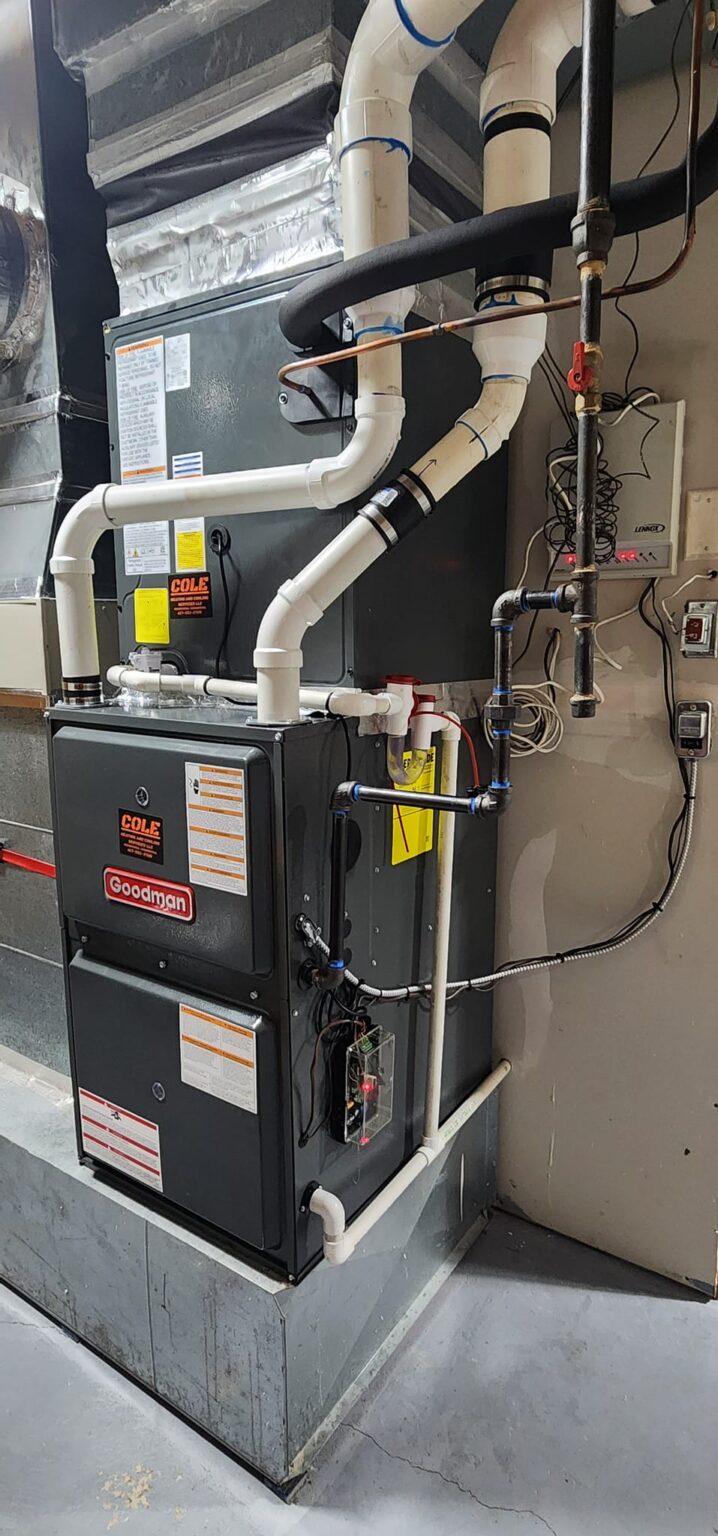
A quick word on airflow, filters, and thermostats
Three small details cause a large share of emergency calls. First, filters. A pleated filter that fits too tightly or is far too restrictive for the system adds static pressure and starves the blower, which trips limits and kills heat. In many homes, a less restrictive filter changed more often is better than a thick one changed rarely. Talk to your tech about a filter strategy that fits your ductwork and blower.
Second, airflow. Undersized returns are common in retrofits. When a tech mentions high static pressure, they’re not selling fear. High static means the blower works harder, components run hotter, and comfort suffers. A well-placed additional return or a larger grille can change how the house feels and how often you need emergency help.
Third, thermostats. Smart thermostats are terrific, but only when correctly matched to equipment. A mismatched or misconfigured thermostat can call for the wrong stages at the wrong times or fail to engage auxiliary heat when needed. If your system behavior changed immediately after a thermostat upgrade, mention it.
The local context matters
Nixa’s housing mix includes slab-on-grade homes with closet furnaces, split levels with crawlspaces, and larger homes with equipment in the attic. Winter wind off the Ozarks exploits any weak venting design, and summer humidity punishes poor drainage. A team that regularly works in Nixa knows these patterns. They’ll carry longer condensate lines for attic units, extra pan float switches, and, in winter, silicone to reseal vent joints shaken loose by seasonal expansion and contraction. They’ll also have mental maps of neighborhoods where equipment is likely 15 to 20 years old and due for strategic planning rather than patching.
If you ever feel brushed off or pushed into a solution that doesn’t fit your situation, get a second opinion. Emergency doesn’t mean you lose your say in the repair. It means you prioritize safety, maintain livable conditions, and make smart decisions in the right order.
Final thoughts from the field
Emergency Heating & Cooling service is a mix of readiness, craft, and judgment. Readiness is the truck stocked with the right parts and a dispatcher who asks the right questions. Craft is the diagnosis that homes in on the real fault instead of throwing parts at symptoms. Judgment is knowing when to stabilize and return with the perfect part, and when to rebuild a system that’s not worth another midnight rescue.
If you live in Nixa and rely on your home to be a refuge from cold snaps and heat waves, build a relationship with a dependable HVAC Company Nixa, MO before you need them. A spring tune, a fall check, a phone number saved in your contacts. Do that, and when something does fail at the worst moment, you won’t be guessing in the dark. You’ll know who to call, what to expect, and how to keep the home safe while help is on the way.
Name: Cole Heating and Cooling Services LLC
Address: 718 Croley Blvd, Nixa, MO 65714
Plus Code:2MJX+WP Nixa, Missouri
Phone: (417) 373-2153
Email: [email protected]